Prostate250+ in the UK
Robotic prostatectomy
Removal of the prostate for localised prostate cancer, with nerve-sparing technique where it is safe, to protect urinary control and sexual function.

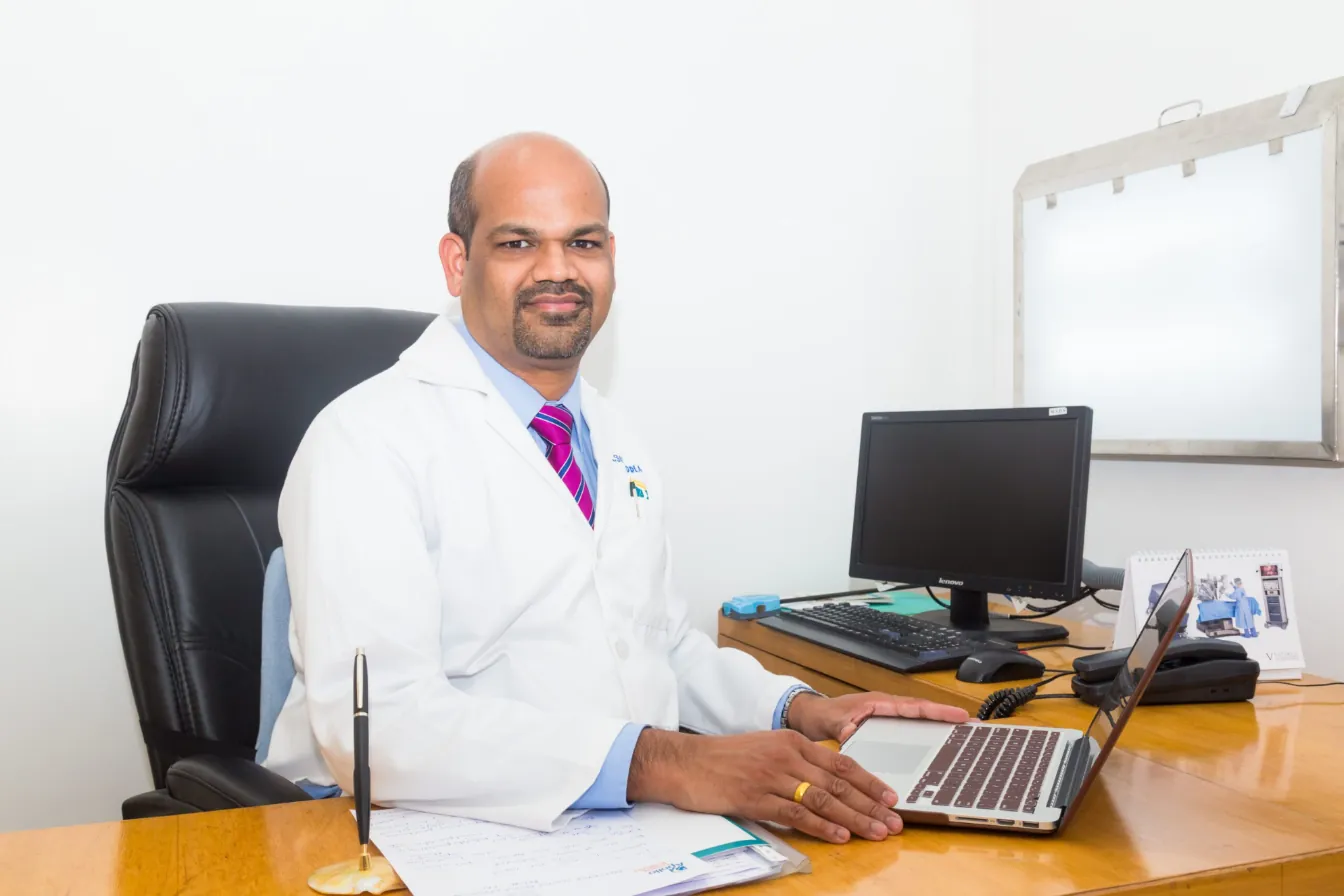
After 18 years in the UK, where he introduced robotic surgery at Bradford Teaching Hospitals and led its cancer services, Prof. Addla now leads robotic uro-oncology at Apollo Cancer Institute, Jubilee Hills.
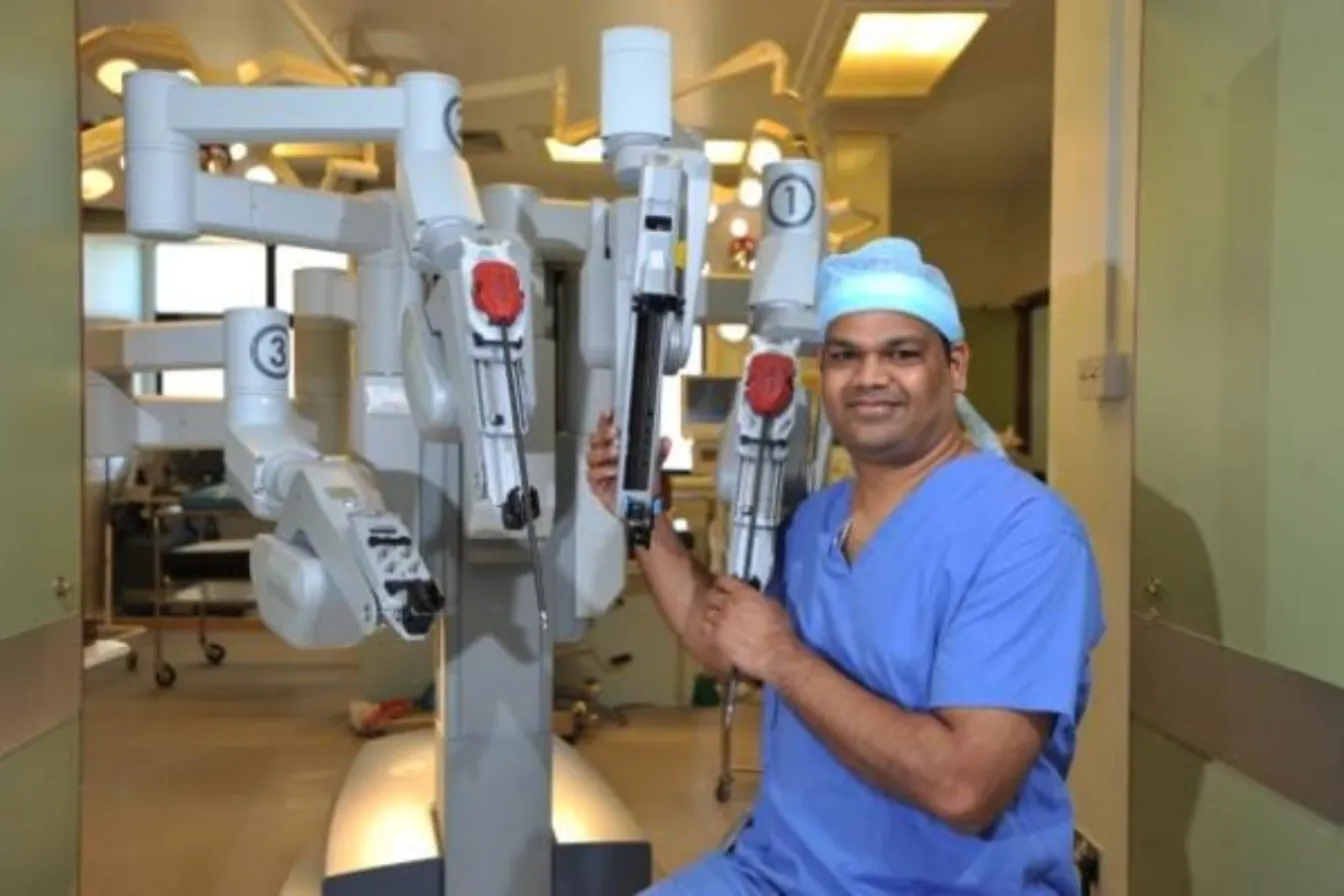
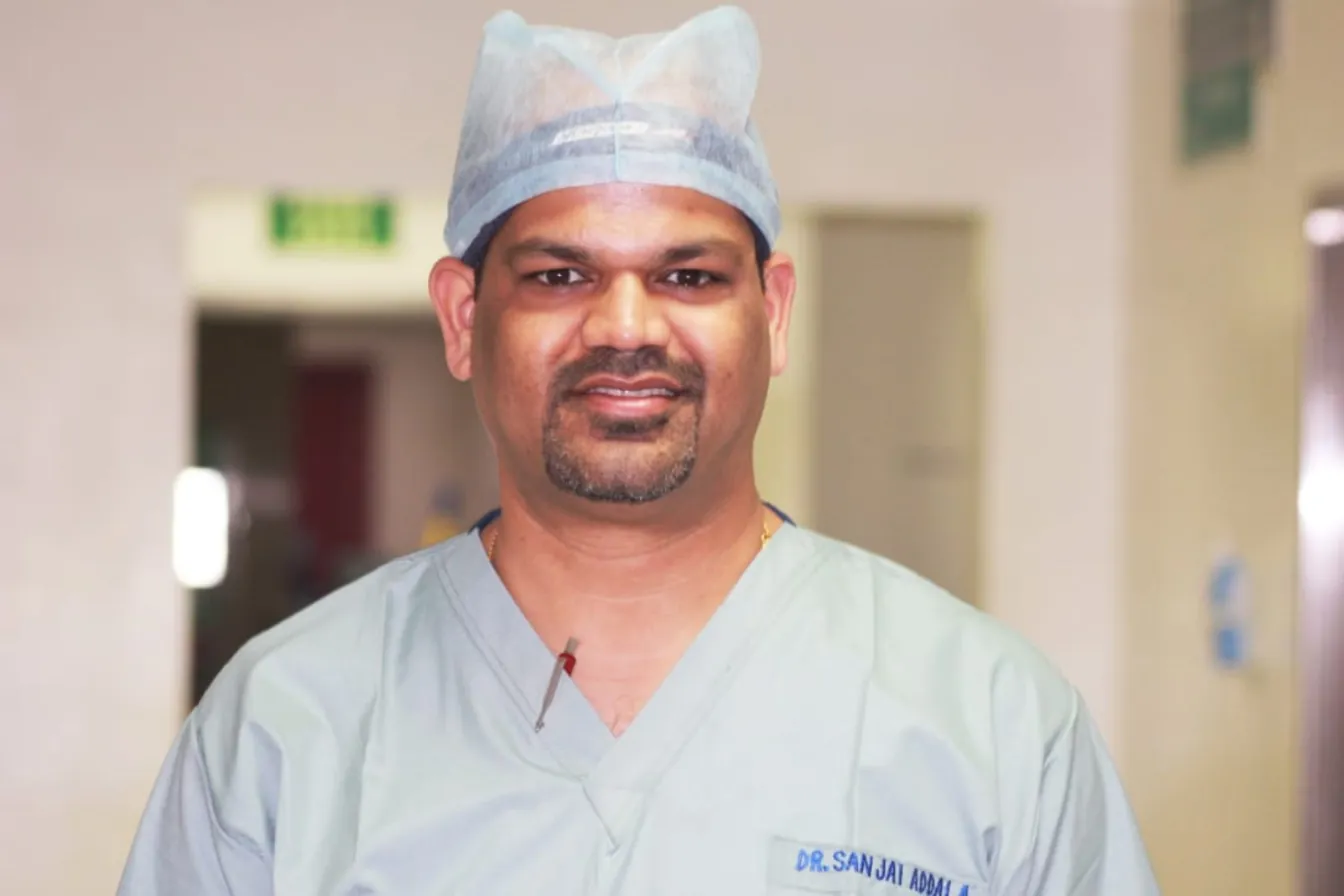 A word from Dr. Sanjai
When patients come to see me, they often carry worries in their hearts. They wonder if they will get better, and if they will enjoy the simple things in life again, like seeing their family smile. There is one thing I remind every patient: hope is real. It is my job as a doctor to help make that hope a reality, and together, we will.
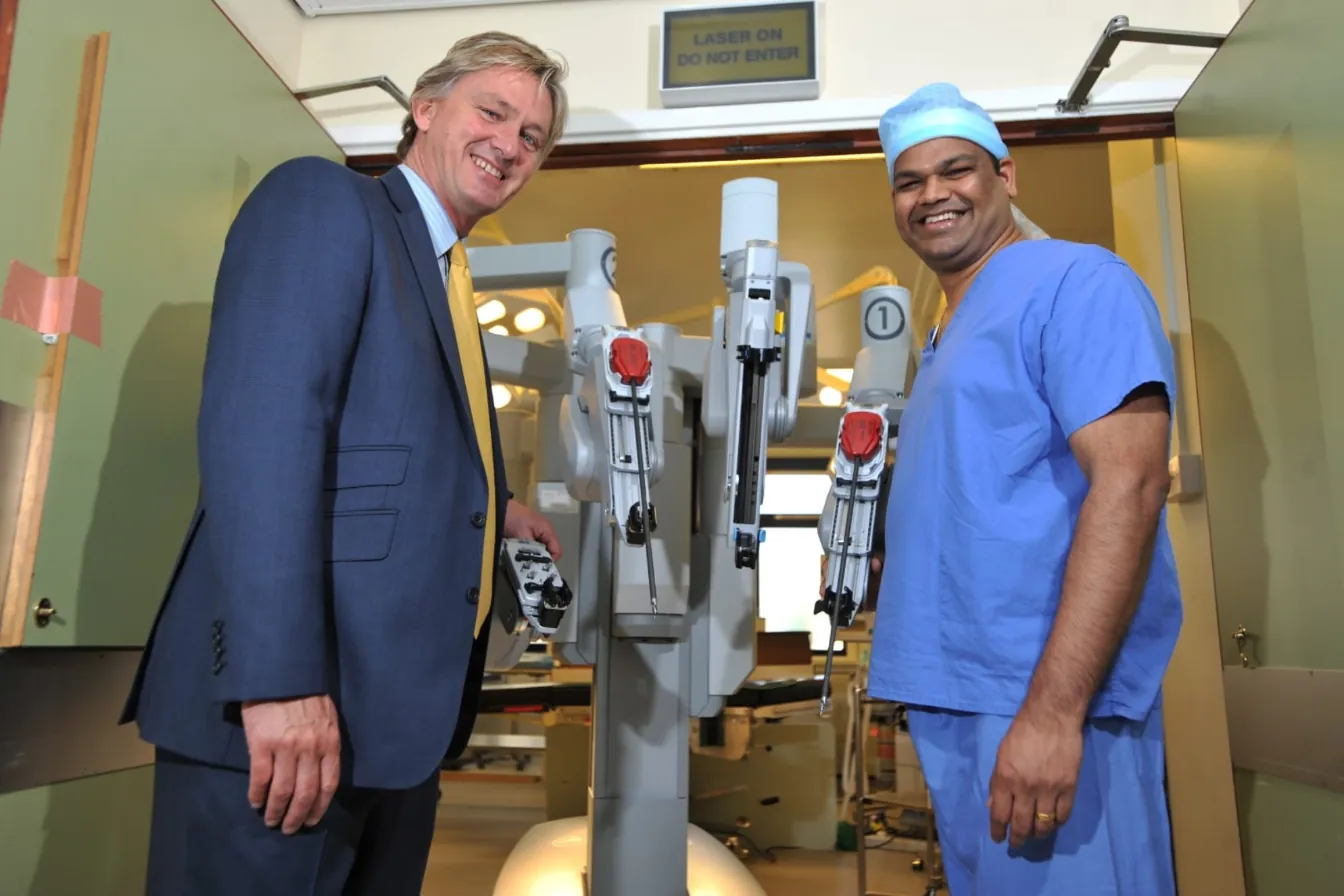
Prof. Addla specialises in surgical treatment for cancers of the prostate, kidney and bladder, using the robotic system for precision in small spaces.
Removal of the prostate for localised prostate cancer, with nerve-sparing technique where it is safe, to protect urinary control and sexual function.
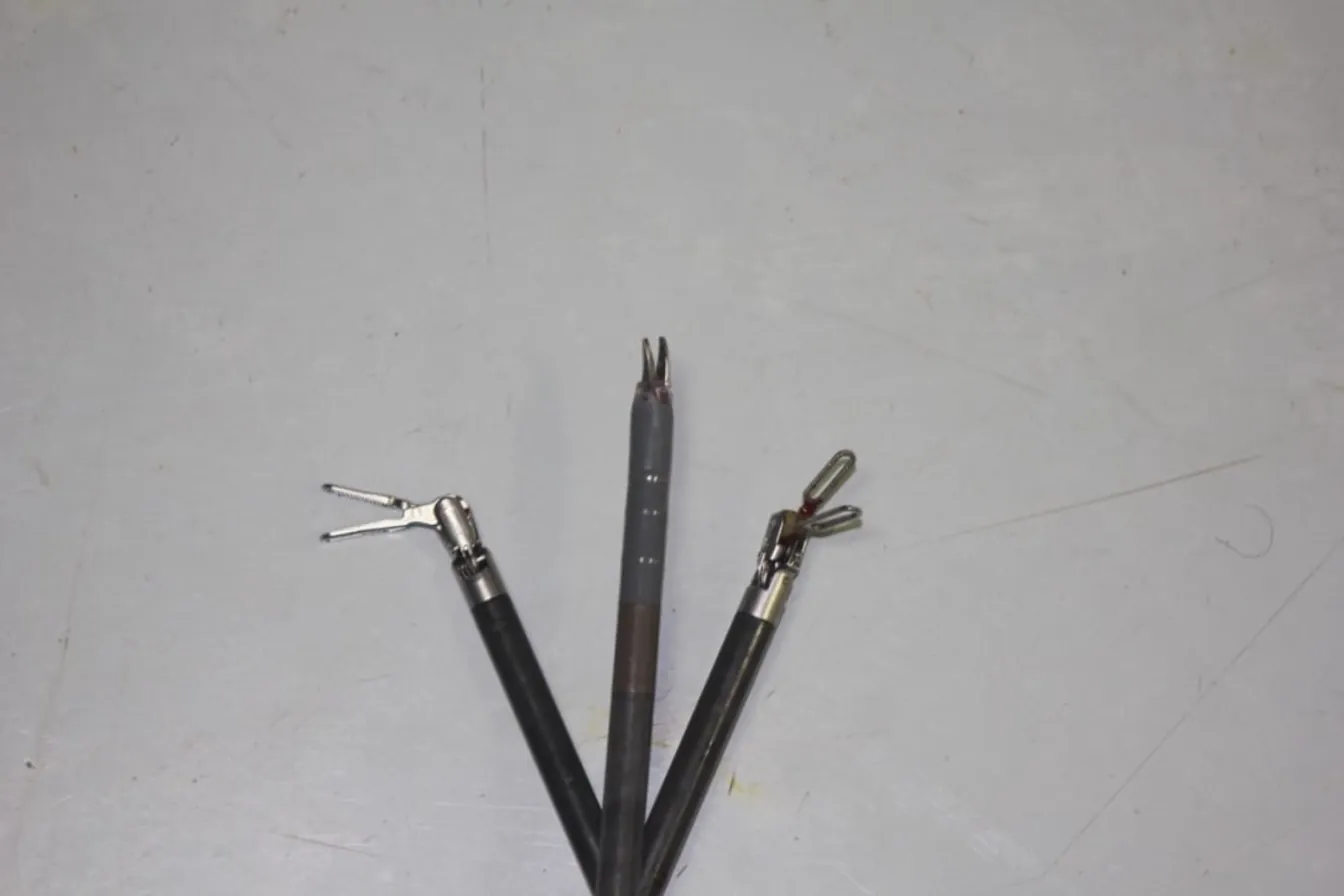
Removes the kidney tumour and saves the healthy part of the kidney. Radical nephrectomy when the whole kidney must be removed.
Robotic cystectomy for bladder cancer, with reconstruction of the urinary passage, planned with the multidisciplinary cancer team.
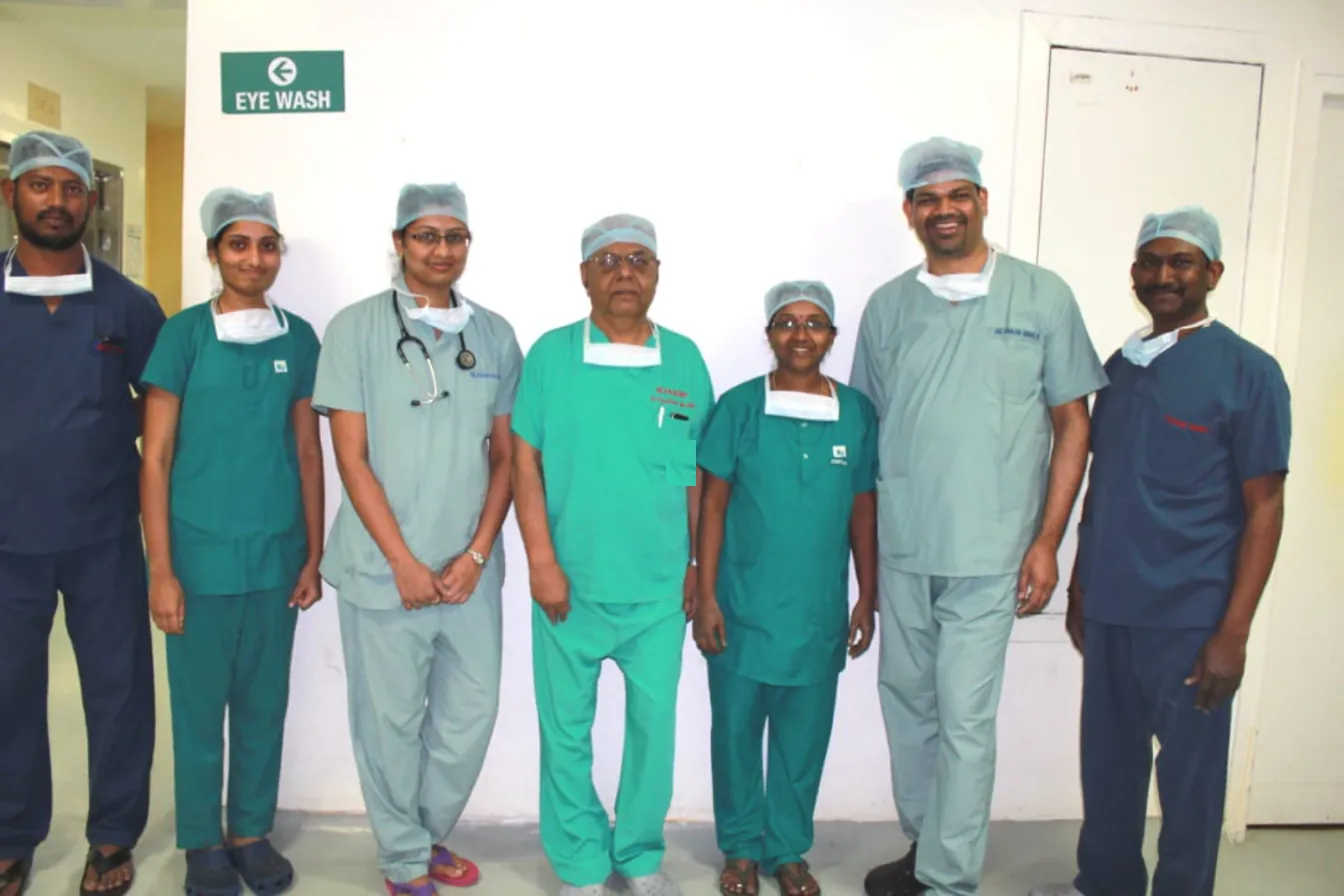
Minimally invasive removal of adrenal tumours, using robotic precision in a hard-to-reach area, with less pain after surgery.
The commonest cause of an enlarged prostate is Benign Prostatic Hyperplasia (BPH), a non-cancerous enlargement that causes weak flow and frequent urination.
Urinary tract infections are common and troublesome. Repeated infections need proper evaluation.
Confidential assessment and treatment options, including recovery after prostate surgery.
Small stones in the kidney or ureter cause pain and blockage. Treatment depends on the stone's size and position.
18 years in the United Kingdom, including specialist uro-oncology and robotic training at The Christie, Manchester, the largest cancer treatment centre in Europe.
APUHS, India
Royal College of Surgeons of England
Intercollegiate Specialty Examination
Erasme Hospital, Brussels, Belgium
The Christie Hospital, Manchester
Introduced robotic surgery, led the uro-oncology team and served as lead cancer clinician for Bradford Teaching Hospitals NHS Foundation Trust. Helped set up NERUS, linking 12 robotic centres in the North of England.
Research on the stem cell origin of renal cell cancer
£18,000 award from The Urology Foundation for advanced robotic training
Invited to the discussion on access to robotic surgery
Apollo Cancer Institute, Jubilee Hills, Hyderabad

Urological cancers caught early can often be treated with keyhole robotic surgery, and kidneys can often be saved. These are the signs to act on.
Even once, even without pain. It can be the first sign of bladder or kidney cancer and should always be checked by a urologist.
Visible in the urine, or found only on a urine test.
Often causes no symptoms early, so testing matters for men over 50 or with a family history.
Often found by chance on a scan done for another reason. Small tumours can often be removed while saving the kidney.
15-minute consultation slots from 6:00 to 7:00 PM. Bring previous reports, scans and a list of your current medicines.